
Choosing the right crusher machine for sale is vital for good output and low costs. Different materials need different crushing methods. Using the wrong machine causes poor performance and high wear. This blog gives six clear tips to help you pick the best crusher. We cover jaw crusher parts, cone crushers, impactor crushers, and matching machines to material type. These tips are useful for buyers and operators wanting better efficiency and longer equipment life.
Let’s learn how to select the best crusher for your material.
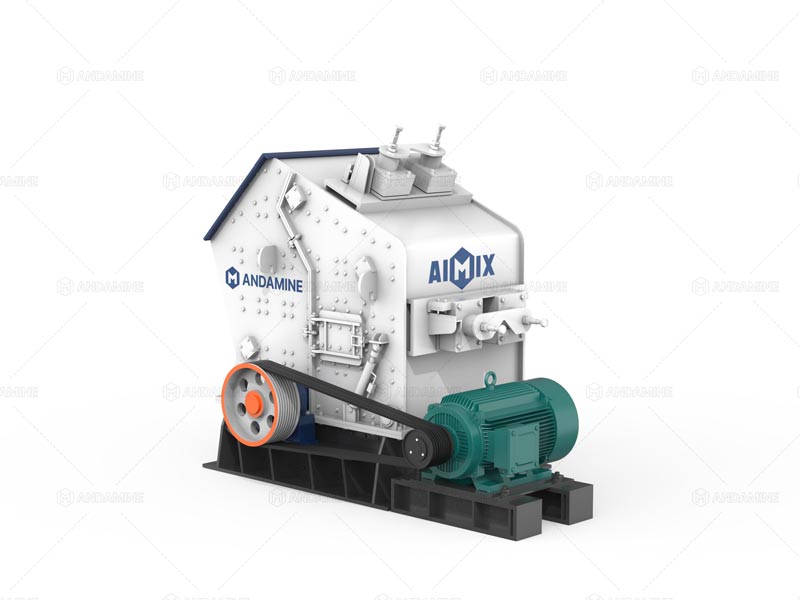
1. Know Your Material’s Hardness and Abrasion
Material hardness decides the force and durability your crusher needs. Soft rock like limestone is easier to crush. Hard rock like granite or quartz needs tougher machines. Abrasive materials wear parts faster.
Check the Mohs hardness scale or compressive strength. This helps judge if a jaw, cone, or impactor crusher suits your job. For very hard rock, choose machines with strong jaw crusher parts and wear plates.
Matching crusher strength to material hardness reduces breakdowns and repair cost.
2. Identify Feed Size and Desired Output Size
Feed size is the largest piece going into the crusher. Output size is what you need for your project. Jaw crushers handle large feed sizes and give medium output. Cone crushers refine to fine, uniform sizes. Impactor crushers shape and reduce with impact force.
If you need cubical particles, impactor crushers often work well. For stable gradation, cone crushers are a better fit. List your input and target sizes before shopping for a crusher machine for sale.
Right sizing avoids extra crushing stages and saves energy.
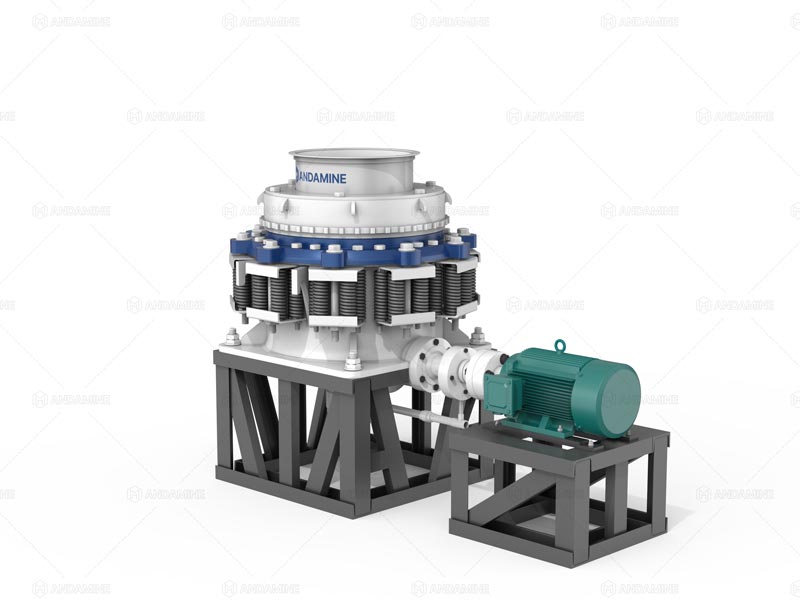
3. Understand the Work Stage: Primary, Secondary, or Tertiary
Crushers are built for different stages of processing. Primary crushers take raw, large material. Jaw crushers are common here. Secondary crushers refine the output. Cone or impactor crushers often do this. Tertiary crushers give final shaping and fine sizing.
Using the right stage crusher improves efficiency. For example, don’t use a fine cone crusher for primary breaking of huge boulders. It will wear fast and stall. Match machine type to work stage for smooth workflow.
This also helps plan a logical crushing line with less unnecessary wear.
4. Consider Moisture Content and Material Stickiness
Moist or sticky materials can clog crushers and screens. Wet clay binds in jaw crushers and cones. Some impactor crushers handle slightly moist material better. But very wet feeds may need drying or pre-screening.
Check how easily material slides through the machine. Look for features like anti-clogging design or adjustable grizzlies. For sticky feeds, choose a crusher with wide openings and easy clearing.
Factoring in moisture avoids blockages and keeps production steady.
5. Evaluate Wear Parts Availability and Maintenance Needs
Every crusher uses wear parts like liners, blow bars, and jaws. Jaw crusher parts for example wear faster on hard rock. Easy replacement and local availability cut downtime. Before buying a crusher machine for sale, ask about parts supply and cost.
Cone crushers may need mantle and bowl changes. Impactor crushers need blow bar replacements. Machines with simple designs and accessible parts are easier to maintain.
Good maintenance extends life and keeps crushing quality stable.

6. Match Machine Type to Your Production Volume
Production volume affects crusher size and type. Low volume jobs may run well with compact jaw crushers. High volume quarries need large cone crushers or heavy-duty impactors. Check capacity in tons per hour.
Don’t under-size. It causes bottlenecks and overtime costs. Don’t over-size. It wastes fuel and floor space. Look at crusher throughput curves for your material type.
Balancing capacity with need helps you get return on investment faster.
Bonus: Test Before You Invest
If possible, test the crusher machine for sale with your material. Run samples and check output size, shape, and power use. Testing shows how the machine copes with your feed.
Ask the supplier for demos or trial data. This reduces guesswork and builds confidence in your choice.
Why These Tips Matter for Your Operation
Selecting the best crusher is not just about price. It’s about matching machine strengths to your material and process. Wrong choice means more downtime, higher wear, and poor product quality.
By checking hardness, feed and output size, work stage, moisture, wear parts, and capacity, you avoid common mistakes. Whether you choose jaw crusher parts, cone crushers, or impactor crushers, the right match boosts performance.
Conclusion: Choose With Knowledge, Not Guesswork
These six tips help you select the best crusher machine for sale for your material. Understand your feed traits and production aims. Consider machine type, wear parts, and maintenance. This way, you get reliable crushing, less waste, and better results in your operation.