
In modern industrial settings, efficiency, adaptability, and safety are paramount for workshop operations. One of the most significant advancements supporting these priorities is the adoption of mobile gantry cranes. Unlike traditional fixed overhead cranes or stationary gantries, mobile gantry cranes provide a versatile solution for material handling, enabling workshops to optimize layout, improve workflow, and accommodate changing production demands. This article explores the features, benefits, applications, and considerations of mobile gantry cranes for flexible workshop layouts.
Understanding Mobile Gantry Cranes
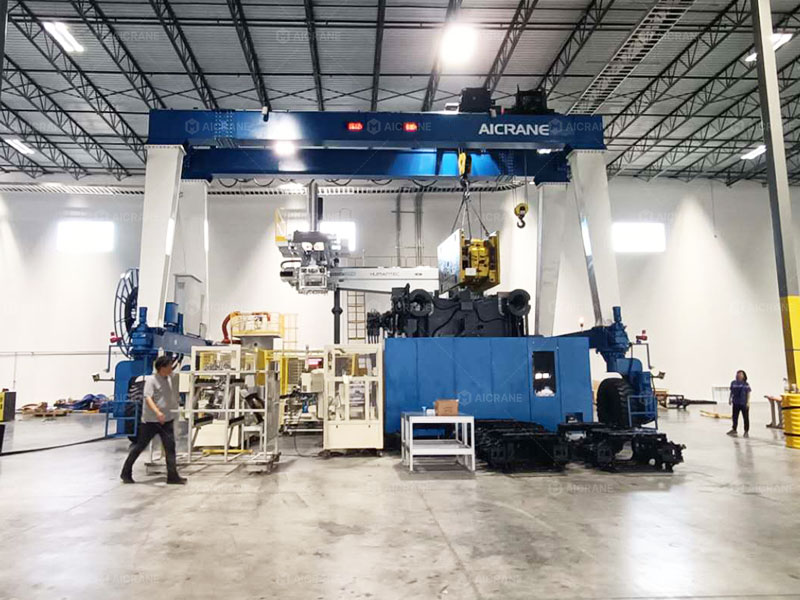
A mobile gantry crane for sale is a type of crane that combines the structural advantages of a gantry crane with the mobility of a wheeled system. Typically, it consists of a horizontal beam (girder) supported by two vertical legs, each mounted on wheels or tracks. These wheels may be rubber-tyred, steel-wheeled, or even powered by electric or hydraulic drives, allowing the crane to move along designated paths or freely across the workshop floor.
Mobile gantry cranes can be single girder or double girder, depending on lifting capacity and span requirements. They are equipped with hoists, which can be electric wire rope hoists, chain hoists, or hydraulic hoists, capable of lifting loads from a few tons to several hundred tons. Unlike fixed overhead cranes, mobile gantry cranes do not require permanent tracks or rails, making them ideal for workshops where layouts frequently change.
Key Benefits for Workshop Flexibility
1. Adaptable Material Handling
Workshops often face shifting operational requirements, such as moving production lines, introducing new machinery, or handling different types of loads. Mobile gantry cranes allow operators to relocate lifting points quickly, providing unmatched flexibility. For example, if a workshop layout needs to accommodate a new CNC machine or assembly line, a mobile crane can be repositioned without the need for extensive structural modifications.
2. Space Optimization
Unlike fixed gantry cranes that occupy specific areas and restrict floor planning, mobile gantry cranes can be stored in idle positions when not in use, freeing up valuable workshop floor space. Their mobility also allows cranes to service multiple zones within a facility, reducing the need for multiple stationary cranes and maximizing utilization of limited workshop space.
3. Cost-Effective Solution
Installing a traditional overhead crane system involves significant capital expenditure, including structural reinforcements, rails, and electrical installations. Mobile gantry cranes, on the other hand, require minimal infrastructure and can often operate on existing floors. This reduces initial investment while still delivering the lifting performance needed for industrial operations. Additionally, a single mobile crane can often replace several smaller fixed cranes, further optimizing costs.
4. Enhanced Safety
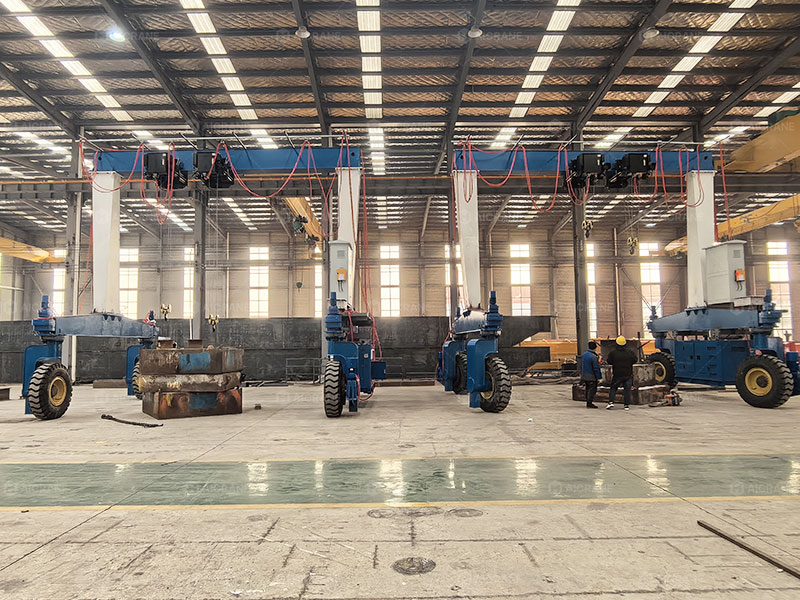
Mobile gantry cranes are designed with stability and safety features to operate in dynamic environments. Many models include anti-sway systems, automatic braking, and load limiters to prevent overloading. Rubber tyred gantry cranes reduce the risk of floor damage and provide smoother movement, which minimizes hazards associated with sudden stops or uneven surfaces. Furthermore, modern cranes can be equipped with remote control systems, keeping operators at a safe distance while maintaining precise control.
5. Rapid Deployment
Workshops requiring temporary lifting solutions, such as during maintenance, installation of heavy machinery, or special projects, benefit from the quick setup and redeployment of mobile gantry cranes. Unlike overhead cranes that need extensive installation and commissioning, mobile gantries can be operational within hours, improving overall productivity.
Types of Mobile Gantry Cranes
1. Rubber-Tyred Mobile Gantry Cranes
Rubber-tyred mobile gantries are ideal for indoor workshops and outdoor yards with smooth concrete or asphalt surfaces. They offer high maneuverability, noise reduction, and the ability to move freely without fixed tracks. Some advanced models even feature multi-directional steering, enabling precise positioning in confined spaces.
2. Steel-Wheeled or Rail-Mounted Gantries
Steel-wheeled gantries typically operate on fixed rails embedded in the floor. While they offer higher load capacities and better stability for extremely heavy loads, they are slightly less flexible than rubber-tyred models. They are suitable for workshops where certain lifting paths are predefined but still require the ability to reposition the crane along the rails.
3. Adjustable or Modular Gantry Cranes
Some mobile gantries are modular, allowing the height and span to be adjusted based on specific workshop requirements. This feature is particularly useful for workshops handling varying load sizes or working with large, irregularly shaped components. Modular cranes can be disassembled for storage or transportation, enhancing versatility.
Applications in Modern Workshops
1. Manufacturing and Assembly Lines
Mobile gantry cranes are widely used in metal fabrication, machinery assembly, and automotive workshops. They can move large components between stations, load raw materials, and handle finished products efficiently. Their mobility allows seamless integration into assembly lines without interrupting production.
2. Maintenance and Repair Workshops
For industrial maintenance, repair, and refurbishment, mobile gantry cranes provide temporary lifting solutions. They can hoist engines, turbines, and other heavy machinery in maintenance bays and then be moved aside once the operation is complete.
3. Storage and Logistics
Workshops with dense storage layouts benefit from mobile gantry cranes to move heavy items from shelves, racks, or storage areas. The ability to reposition the crane as storage layouts evolve improves workflow efficiency.
4. Construction Workshops
Construction equipment workshops often require flexible lifting for heavy prefabricated elements, such as steel beams, molds, or machinery components. Mobile gantry cranes facilitate the handling of these items in areas where fixed cranes would be impractical.
Considerations for Implementing Mobile Gantry Cranes
When integrating mobile gantry cranes into a workshop, several factors must be evaluated:
-
Load Capacity and Span: Determine the maximum weight and size of materials to be lifted to select the appropriate gantry workshop crane type. Double girder gantries offer higher capacities and longer spans compared to single girder models.
-
Floor Load and Surface: Ensure that the workshop floor can support the crane’s weight and wheel loads. For rubber-tyred gantries, smooth surfaces are preferable, while steel-wheeled cranes may require embedded rails.
-
Mobility Requirements: Evaluate whether the crane needs full freedom of movement or will operate along predefined paths. Multi-directional steering and powered drives enhance maneuverability in tight workshops.
-
Safety Features: Include load limiters, emergency brakes, and anti-sway systems to prevent accidents. Proper operator training and clear operational protocols are essential.
-
Integration with Workflow: Position cranes to minimize interference with daily operations while maintaining accessibility to key work zones. Flexibility in positioning and storage is crucial for optimizing workshop layout.
Future Trends
The adoption of automation and IoT integration is gradually transforming mobile gantry cranes. Advanced models now feature remote monitoring, predictive maintenance sensors, and automated positioning systems, further increasing efficiency and safety. Workshops aiming for Industry 4.0 standards can leverage these technologies to enhance material handling precision and reduce downtime.
Conclusion
Mobile gantry cranes are indispensable for workshops requiring flexibility, efficiency, and safety in material handling. Their adaptability enables dynamic workshop layouts, cost-effective operations, and rapid deployment for various industrial applications. By selecting the right type of mobile crane and implementing appropriate safety and operational protocols, workshops can significantly enhance productivity while optimizing space and reducing overall operational costs.
Whether for manufacturing, maintenance, logistics, or construction workshops, mobile gantry cranes represent a modern solution that bridges the gap between traditional fixed cranes and the evolving needs of dynamic industrial environments. Investing in these cranes not only addresses current operational requirements but also future-proofs workshop operations for changes in production demands and material handling challenges.