
The concrete industry in Latin America is rapidly growing, with demand for high-quality construction materials increasing across countries like Peru and Bolivia. One key decision for construction companies and contractors is selecting the right concrete batching plant. Prices for different plants vary significantly, and understanding their cost-effectiveness is crucial to maximizing investment value. Whether considering a mini concrete plant for smaller projects or a full-scale concrete plant in Bolivia, careful analysis of costs, efficiency, and long-term benefits is necessary.
Understanding Price Differences Between Concrete Plants
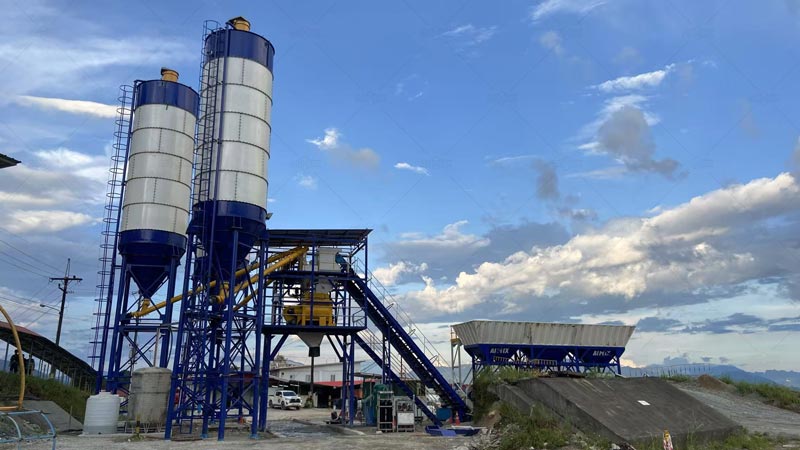
Concrete plant price(Planta de hormigón precio) variations are influenced by multiple factors, including capacity, technology, brand reputation, and local market conditions. In Latin America, the cost of importing equipment, tariffs, and transportation logistics can further widen the price gap between different models. For example, a concrete batching plant in Peru may have different pricing than a similar plant in Bolivia due to import duties and shipping costs.
Factors Affecting Concrete Plant Price
When comparing concrete plants, it is important to consider the following factors:
- Production Capacity: Larger plants with higher output naturally cost more, but they also offer economies of scale. A mini concrete plant may be cheaper upfront but might not meet high-demand projects efficiently.
- Automation Level: Plants with advanced automation features reduce labor costs and improve mix consistency. However, these plants usually come with a higher initial price.
- Local Market Conditions: Taxes, tariffs, and import fees can significantly affect the final concrete plant price in different Latin American countries.
- Equipment Brand and Quality: Established brands often charge more, but their reliability, durability, and after-sales support can lower maintenance costs over time.
Evaluating Cost-Effectiveness Beyond Initial Price
While the initial concrete plant price is a major consideration, it is only one part of the total cost of ownership. Cost-effectiveness involves evaluating both upfront and long-term operational costs. A plant with a higher purchase price might deliver lower overall expenses due to efficiency and durability.
Operational Efficiency
Operational efficiency determines how well a concrete plant converts raw materials into high-quality concrete. Key factors include:
- Mixing Precision: Accurate proportioning ensures consistent concrete quality and reduces waste. Plants with advanced batching systems maintain precise ratios for cement, aggregates, and water.
- Energy Consumption: High-efficiency motors and mixers reduce electricity costs. This is particularly important in regions like Bolivia where energy supply can be expensive.
- Labor Requirements: Automated plants reduce the need for large teams, decreasing labor costs and minimizing human error.
Maintenance and Durability
Long-term maintenance is another major factor in cost-effectiveness. Plants that are easier to maintain and built with durable components can save substantial expenses over time. Consider the following:
- Ease of access to wear parts and spare components.
- Availability of local service centers and technicians in Peru or Bolivia.
- Frequency of scheduled maintenance and downtime costs.
Material and Logistics Costs
The location of a concrete plant affects costs associated with material supply and transportation. For example, a concrete plant in Bolivia may incur higher aggregate transport costs due to mountainous terrain. Similarly, a concrete batching plant Peru(planta dosificadora de concreto Perú) may benefit from proximity to major suppliers, reducing the total cost per cubic meter of concrete produced.
Comparing Mini Concrete Plants with Full-Scale Plants
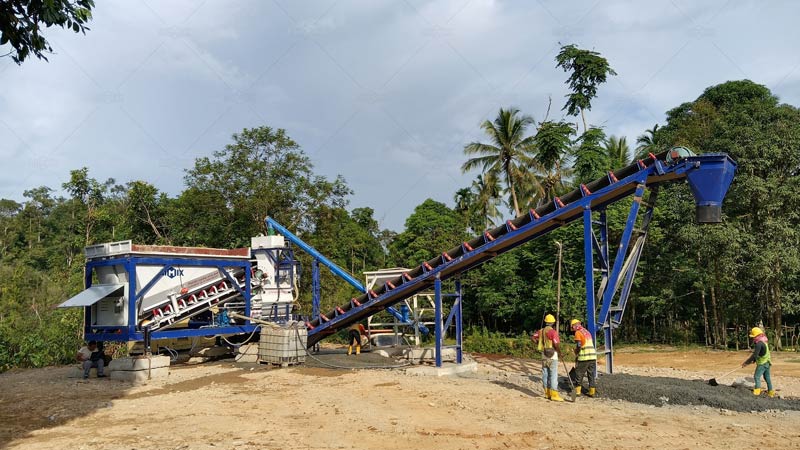
Mini concrete plants are increasingly popular for small- to medium-sized projects in Latin America. They are compact, cost-effective, and easier to install. However, their production capacity is limited, which can affect cost-efficiency for large-scale projects.
Advantages of Mini Concrete Plants
- Lower initial concrete plant price, making them accessible to smaller contractors.
- Simple operation, requiring fewer skilled workers.
- Compact size, suitable for urban construction sites with limited space.
Advantages of Full-Scale Plants
- Higher production capacity allows continuous delivery for large projects.
- Advanced automation ensures consistent concrete quality.
- Durable components reduce long-term maintenance costs, improving overall cost-effectiveness.
Case Example: Comparing Costs in Peru and Bolivia
Consider two hypothetical projects, one in Peru and one in Bolivia. In Peru, a concrete batching plant with medium capacity costs $120,000, while a mini concrete plant costs $65,000. The medium-capacity plant delivers 60 m³ per hour, whereas the mini plant produces 25 m³ per hour. When considering operational costs, energy consumption, and labor, the medium-capacity plant has a higher upfront investment but lower long-term cost per cubic meter due to higher efficiency.
In Bolivia, the cost of transporting aggregates to a remote site can increase expenses by 15–20%. A concrete plant in Bolivia(planta de concreto en Bolivia) with automation features reduces labor needs and minimizes errors, which offsets the higher local logistics costs. In this scenario, comparing only the concrete plant price would be misleading; operational and logistical factors must also be considered.
Calculating Cost per Cubic Meter
To accurately compare cost-effectiveness, calculate the total cost per cubic meter of concrete, including:
- Initial concrete plant price amortized over its expected lifespan.
- Energy consumption and labor costs per cubic meter.
- Maintenance and spare parts costs.
- Material transportation costs.
By using this approach, contractors can determine which plant provides the best value for their specific location and project scale.
Other Considerations for Cost Comparison
Flexibility and Scalability
Some concrete plants, especially modular mini concrete plants(mini planta de hormigón), offer the flexibility to scale production as project needs change. This can prevent over-investment in high-capacity plants that may remain underutilized.
Local Support and Warranty
Availability of after-sales service in Peru and Bolivia is a critical factor. Plants with local service centers reduce downtime and maintenance costs, enhancing long-term cost-effectiveness. Warranty terms also provide financial protection against unexpected failures.
Conclusion: Making Informed Investment Decisions
Comparing concrete batching plants in Latin America requires more than looking at the initial concrete plant price. Contractors must evaluate operational efficiency, maintenance, labor requirements, material logistics, and local support. Mini concrete plants offer affordability and ease of installation for small projects, while full-scale plants provide higher production and long-term cost savings for larger projects. By calculating the total cost per cubic meter and considering project-specific factors in countries like Peru and Bolivia, construction companies can make informed decisions that optimize both performance and return on investment. Ultimately, cost-effectiveness is determined not just by purchase price but by the plant’s ability to deliver consistent, high-quality concrete efficiently over its lifespan.